


Onshore oil and gas terminals make significant contributions to the UK’s energy security and are well placed to support the acceleration of the energy transition.
For decades, these strategically important terminals have facilitated the import, export, storage and distribution of oil and natural gas, connecting producers and transporters.
As the UK transitions to a net zero economy, these sites have bright futures. They can continue to support the country’s energy security, while also helping reduce emissions by becoming hubs for carbon capture and storage projects.
In addition, they can play a key part in the production and transportation of hydrogen to storage sites and demand centres, as well as acting as landing points for clean power produced offshore.
With the support of terminal owners, the NSTA has gathered information outlining their ongoing operations – and energy transition plans – and published these insights in one place on its website. Initially, details of 11 terminals have been included, with the full set to be completed soon.
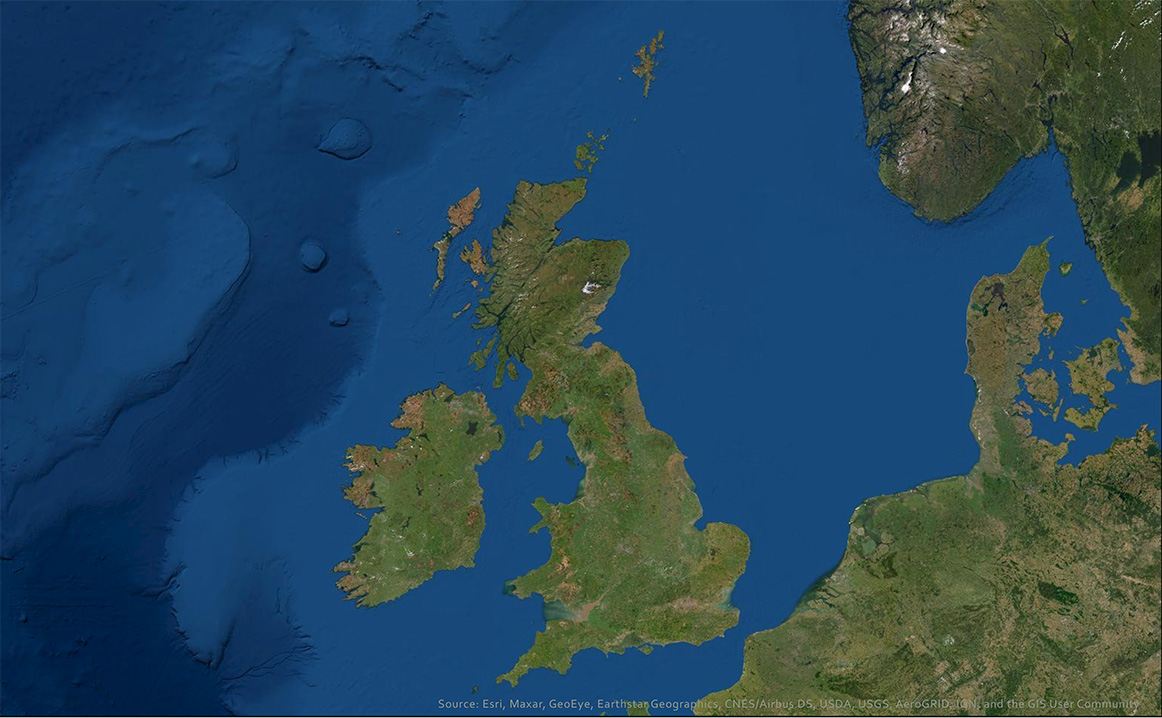
Click on the map to find out more about individual terminals. All information on the map, and in the table below the map, has been supplied by the respective owner-operators.
 Sullom Voe
Please click on the individual hub names for more detail
Flotta St. FergusSullom Voe
- Access to potentially significant CO2 storage sites
- Close to large wind farms
- Large onshore site for green hydrogen and efuels production
- Port facilities for CO2 import and efuel export
Go to Page
Flotta
- Large site for green hydrogen production
- Wind power logistics base
- Pipeline blending, efuels, shipping
- H2 backbone connection
- Ultra-deepwater quay for floating wind or decommissioning
Go to Page
St. Fergus
- Access to potentially significant CO2 storage sites
- Active CO2 licences
- Nearby port facilities for CO2
- Wind farm power landing
- Blue and green hydrogen plans
Go to Page
Teesside
- Facilities to capture and store CO2 for abated gas power generation
- Large blue hydrogen production
- Site for green hydrogen production
Go to Page
Barrow-in-Furness
- Access to potentially significant CO2 storage sites
- CO2 transportation by pipeline, ship and rail
- Repurpose a natural gas asset
Go to Page
Humberside
- Large hydrogen storage capacity
- Green hydrogen production on site
- Plans and support for blue hydrogen production
Go to Page
Theddlethorpe
- Access to potentially significant CO2 storage sites
- CO2 transportation through repurposed pipelines
Go to Page
Bacton
- CO2 sources from Bacton and London/Thames estuary area
- CO2 import (interconnector)
- H2 to the London and Midlands areas
Go to Page
Point of Ayr
- Repurpose pipelines to transport CO2 from northwest England and North Wales for storage
- Key part of the HyNet project
Go to Page
Kinneil - Forties Pipeline System
- Access to the Scottish Cluster for carbon emissions.
- Existing infrastructure for CO2 transportation
- Roadmap for sustainable operation to 2040+ to support the energy transition
Go to Page
Energy transition potential
The table below highlights the role that the UK’s terminals could play in supporting the UK’s energy transition.
Sullom Voe
- Access to potentially significant CO2 storage sites
- Close to large wind farms
- Large onshore site for green hydrogen and efuels production
- Port facilities for CO2 import and efuel export
Flotta
- Large site could facilitate green hydrogen production
- Wind power logistics base
- Pipeline blending, efuels, shipping
- Hydrogen backbone connection
- Scope for ultra-deepwater quay for floating wind or decommissioning
St Fergus
- Access to potentially significant CO2 storage sites
- Active CO2 licences
- Nearby port facilities for CO2
- Wind farm power landing
- Blue and green hydrogen plans
Kinneil - Forties Pipeline System
- Access to the Scottish Cluster for carbon emissions
- Existing infrastructure for CO2 transportation
- Roadmap for sustainable operation to 2040+ to support the energy transition
Teesside
- Facilities to capture and store CO2 for abated gas power generation
- Potential for large-scale blue hydrogen production
- Site for green hydrogen production
Barrow-in-Furness
- Access to potentially significant CO2 storage sites
- CO2 transportation by pipeline, ship and rail
Humberside
- Potential for large-scale hydrogen storage capacity and green hydrogen production on site
- Plans and support for blue hydrogen production
Point of Ayr
- Repurpose pipelines to transport CO2 from northwest England and north Wales for storage
- Key part of the HyNet project
Bacton
- CO2 sources from Bacton and London/Thames estuary area
- CO2 import (interconnector)
- hydrogen to the London and Midlands areas
Last updated 30/1/2026